Local mold removal
Mold Removal in Civic Center, OH
You can call to discuss mold removal for a home, rental, or business in Civic Center.
Call (844) 352-3560
Talk to a mold removal specialistAnswered 24 hours a day. No forms.
- Moisture source checked first
- Containment and HEPA filtration
- Homes, rentals and businesses
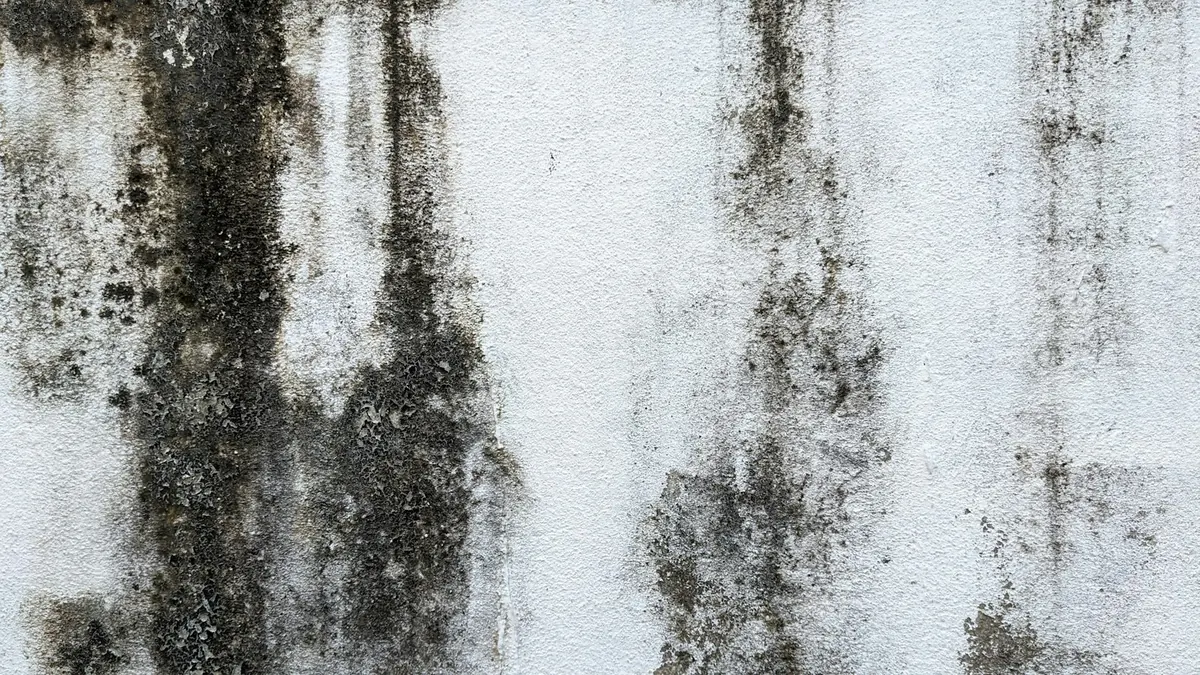
Moisture control mattersFix the water problem or mold can return.
24/7 callsDay, night, weekends and holidays
Moisture source firstFind and fix the leak or humidity
Contained work areaPlastic sheeting and HEPA filtration
Civic CenterHomes, rentals and businesses
Local conditions
Mold Removal Conditions Around Civic Center
Housing numbers tell you about the locality, rather than the state of your property. Base your plans for records, access and moisture repairs on assessment results.
Census ACS 2024 5-year (tables B01003, B25003, B25035, B09021 and B25024). Area estimates do not establish conditions at an individual property.
In the Civic Center neighborhood, mold removal should begin with the affected building, because nearby homes can have different roofs, plumbing, foundations, and ventilation.
In Civic Center, mold removal starts with finding and fixing the water problem, because cleaning the surface alone will not keep growth from returning.
Local Mold Facts for Civic Center
- License: Ohio does not appear to have a statewide license for mold inspectors or remediators, and the Ohio Construction Industry Licensing Board covers only electrical, HVAC, plumbing, hydronics and refrigeration contractors. Homeowners can ask any contractor about their training and experience and check local contractor rules.
- Disclosure: Under Ohio Revised Code 5302.30, most sellers of one to four unit homes complete a state residential property disclosure form. The form asks about water leaks and moisture damage and whether the property was ever inspected for mold.
- Renters: Ohio's landlord-tenant law (Revised Code 5321.04) says landlords must follow health and safety codes and keep rental premises fit and habitable.
- Agency: The Ohio Department of Health has an Emergency Flood Cleanup and Mold page that lists signs of mold and advises fixing the water source. Its Health Assessment Section says it does not offer resources specific to mold cleanup.
State guidance: Ohio Department of Health, Emergency Flood Cleanup and Mold; Ohio Department of Health, Health Assessment Section questions; Ohio Department of Commerce, Residential Property Disclosure Form (eff. 6/2022); Ohio Revised Code 5302.30 (Internet Archive copy of codes.ohio.gov); Ohio Revised Code 5321.04 (Internet Archive copy of codes.ohio.gov); Ohio Department of Commerce, Ohio Construction Industry Licensing Board
Call (844) 352-3560No forms. Just call.
Mold removal explained
Understanding Mold Removal
Mold removal includes locating your moisture source and containing the affected area, discarding material beyond cleaning, and drying material that can remain.
Mold remediation, mold cleanup, mold abatement and mold mitigation describe related work. The scope should address visible mold growth, damp materials and the water intrusion or humidity problem behind them.
Wet materials should be dried within 24 to 48 hours to help prevent mold growth, the EPA advises. In Civic Center, a practical response is to stop the leak or humidity problem, limit disturbance, and check how far the growth extends before cleanup begins.
If your concern crosses a shared wall, ask who can authorize access on both sides and document which rooms need assessment.
- Visible growth or a musty odor
- Behind walls or floors, hidden moisture
- Mold near HVAC equipment
- Damage after a leak or flood
Call (844) 352-3560Talk it through with a cleanup specialist
Health and safety
Moisture and Affected Materials
Containment is important to keep clean rooms from receiving mold spores and dust when affected materials are disturbed.
Some People Face More Risk
Mold may bring on symptoms of allergies and asthma for some people. Risk is higher for people whose immune systems are weak or who have asthma or lung disease, the CDC says.
Mold Spores Can Spread
Drywall cutting and carpet pulling can send particles into the air. To reduce movement, use negative air pressure together with HEPA filtration.
Color Does Not Measure Risk
Search terms include toxic mold and black mold. The CDC explains that the color of mold does not reveal the risk.
Hidden Materials Can Stay Damp
A dry-looking surface can hide wet framing, insulation or subfloor. The affected area is clearer with moisture readings.
Call (844) 352-3560Answered 24/7, including holidays
Property types
Commercial Mold Removal and Residential Service in Civic Center
Call (844) 352-3560Ask about cost and timing by phone
Every service
Find 44 Mold Cleanup Services Across Civic Center
Use what you notice to choose the appropriate mold service. Call for help choosing a page when you are uncertain about the fit.
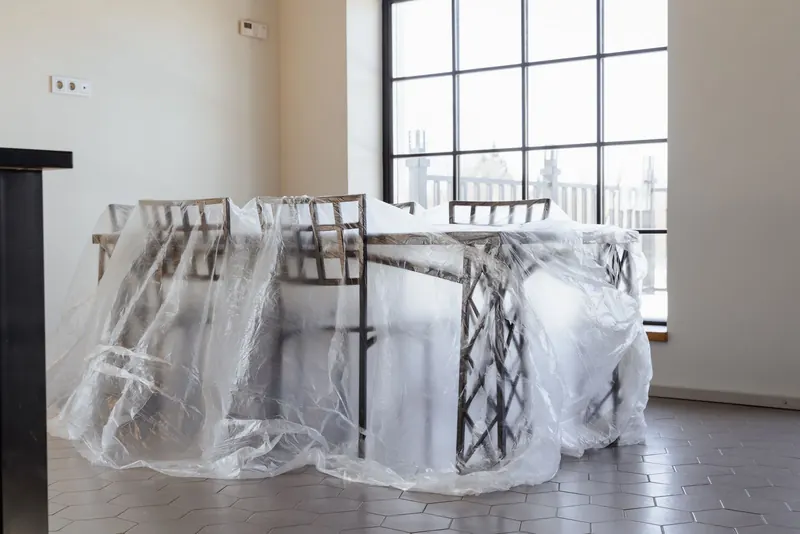
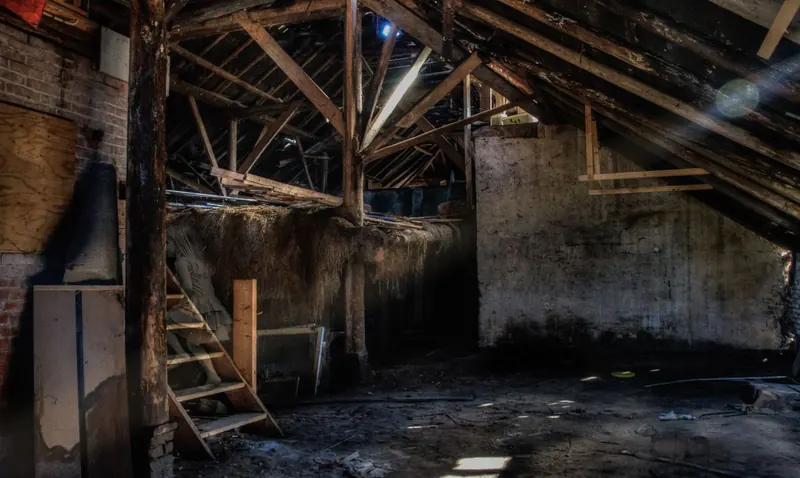
Mold Removal by Area of the Home
- Insulation Mold Removal
- Wall and Drywall Mold Removal
- HVAC and Air Duct Mold Removal
- Garage Mold Removal
- Ceiling Mold Removal
- Floor and Subfloor Mold Removal
- Attic Mold Removal
- Kitchen Mold Removal
- Closet Mold Removal
- Crawl Space Encapsulation
- Basement Mold Removal
- Wood Framing Mold Removal (Joists, Studs, Rafters)
- Bathroom Mold Removal
- Crawl Space Mold Removal

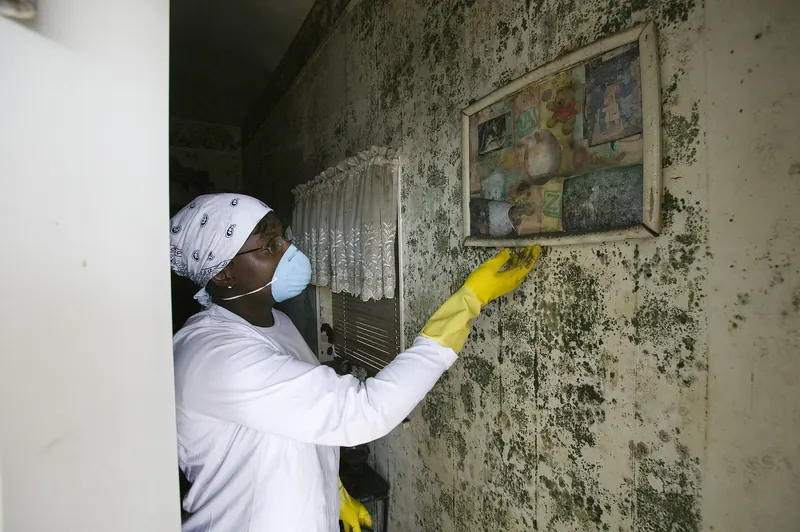
Mold Removal Methods
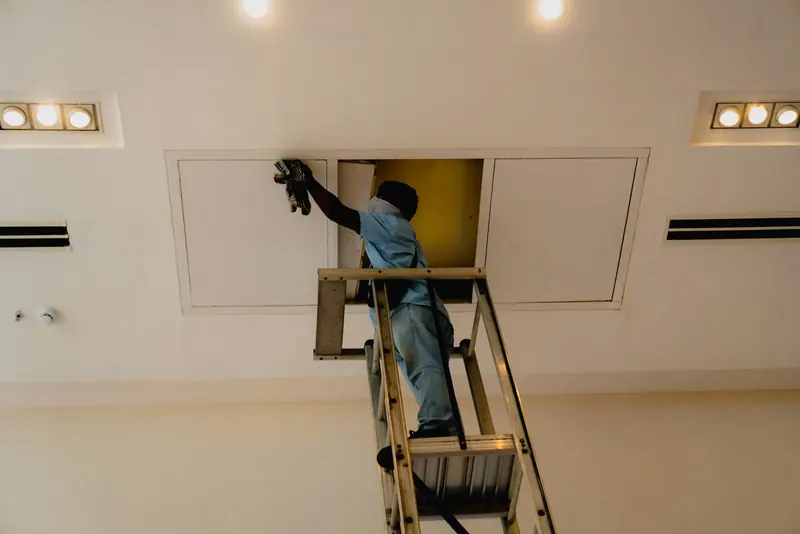
Mold Inspection and Testing
Mold Removal Cost Guide
Call (844) 352-3560Private help, day or night
First steps
Steps Before You Call Mold Removal Professionals in Cuyahoga County
If safe, stop the water; leave growth undisturbed and keep records that may be useful.
Call (844) 352-3560- Stop the water safely. Arrange repairs or turn off the fixture that is leaking. Stay away from standing water and wet electrical equipment.
- Limit access. When you can, shut the door. Keep visible growth out of reach of children and pets.
- Avoid spreading particles. Containment is needed before you brush, scrape or sand mold. If HVAC equipment might contain mold, shut the equipment off.
- Photograph the damage. Before moving anything, document damaged items, the leak and growth you can see. Check with the insurer about required records.
Step by step
The Mold Remediation Sequence
These mold remediation steps follow this order: assess the area, contain it, remove damaged material, clean, dry and verify the work, then take containment down.
Mold Inspection and Moisture Mapping
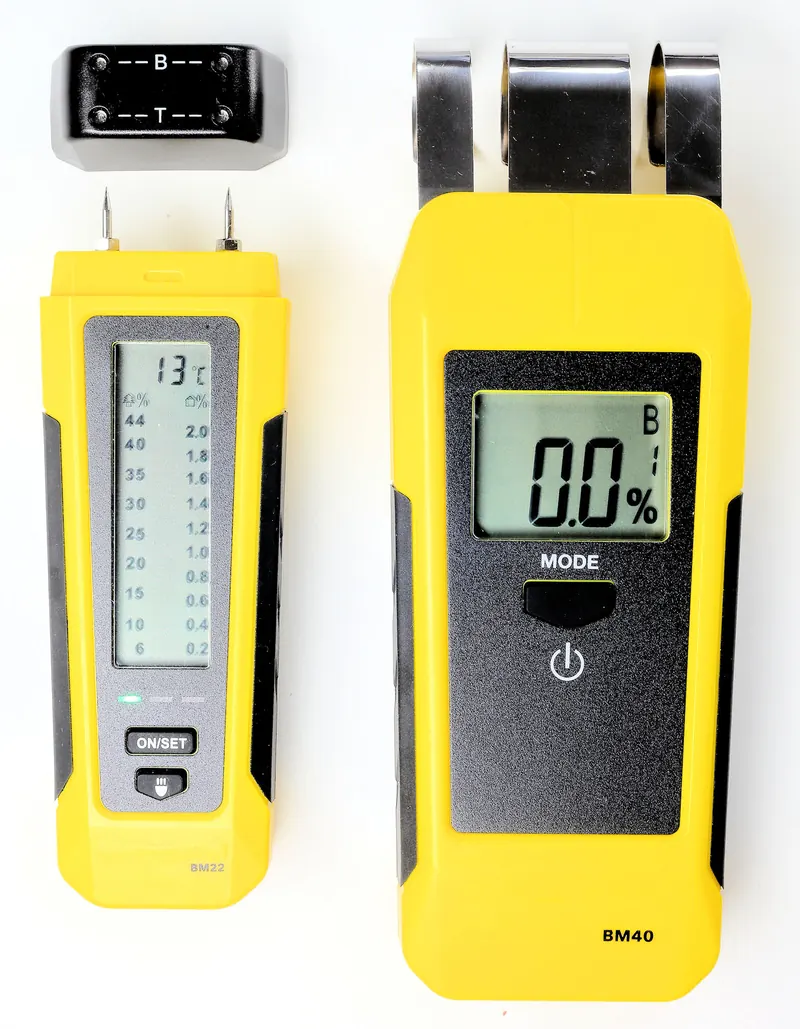
Locating the moisture source and affected materials involves a moisture meter, supplemented by a thermal imaging camera when useful.
Containment and Air Filtration
Poly sheeting forms a containment barrier. Negative air pressure and a HEPA air scrubber, an air filtration device, limit particles moving into clean rooms.
Removal of Damaged Materials
Workers use protective equipment. Drywall removal or other demolition of damaged porous materials may be needed.
Surface Cleaning and Drying
Remaining non-porous surfaces are cleaned using damp wiping along with a HEPA vacuum. Air movers, a dehumidifier and moisture readings guide drying.
Final Cleaning and Verification
Post-remediation verification can involve clearance testing, a visual examination or air sampling, carried out by an independent assessor.
Price ranges
Understanding Mold Removal Cost in Civic Center, OH
Fixr puts mold remediation nationally at a typical $1,500 to $9,000. For professional work covering more than about 10 square feet, the listed rate is $10 to $30 per square foot. Your affected area and materials influence price, as do drying, repairs and containment.
Typical National Mold Remediation Range
$1,500 to $9,000Source: Fixr, Mold Remediation Cost (checked 2026-10-23)Rate for Professional Work Above About 10 Square Feet
$10 to $30 for Each Square FootSource: Fixr, Mold Remediation Cost (checked 2026-10-23)Typical Inspection With Lab Tests on Two Samples
$450 to $800Source: Fixr, Mold Inspection Cost (checked 2026-10-23)Insurance and who pays
Will Insurance Cover Mold Removal in Ohio, or Will You Pay?
Insurance coverage depends on the policy and moisture cause. A covered sudden water event could qualify; ongoing leaks, neglect and humidity often face exclusions or limits.
Property Disclosures
Under Ohio Revised Code 5302.30, most sellers of one to four unit homes complete a state residential property disclosure form. The form asks about water leaks and moisture damage and whether the property was ever inspected for mold.
Renters and Landlords in Cuyahoga County
Ohio's landlord-tenant law (Revised Code 5321.04) says landlords must follow health and safety codes and keep rental premises fit and habitable.
Homeowners Insurance and Mold Removal
Find out whether a mold sublimit applies and the water event qualifies for coverage, plus what an insurance claim requires before material removal.
Find a Mold Removal Service in Civic Center
Call any hour. You can speak with a mold cleanup specialist about your property's next steps.
Questions
Mold Cleanup: Questions and Answers
How do you check for mold in your house?
Look for visible growth, a musty odor and moisture signs near plumbing, roofs, windows and HVAC equipment. You can trace damp material with a mold inspection. Mold testing is not always needed when growth and its water source are clear.
When does your situation call for professional mold removal?
EPA guidance points to professional help for areas larger than about 10 square feet, extensive water damage, an affected HVAC system, or sewage or contaminated water.
Does black mold need a different process?
Mold risk is not revealed by color alone. Your removal plan should reflect the moisture source, affected area, materials and required containment.
How long does mold remediation take?
Consider your affected area, the moisture source correction, drying and material removal when asking how long it takes. Request the planned order before work begins.
Can mold return after removal?
Mold may come back when humidity, a leak or condensation goes uncorrected. The remediation plan should identify the moisture source and explain drying and moisture control.
Talk to a Mold Remediation Company Serving Greater Cleveland
Calls are answered 24 hours a day, including weekends and holidays.