Mold Inspection and Removal in Glenville, OH
Mold is assessed and removed from walls, ceilings and accessible cavities in Glenville. Call 24/7 to arrange your assessment and cleanup.
- Inspection before removal
- Moisture checks and containment
- Clear cleanup scope
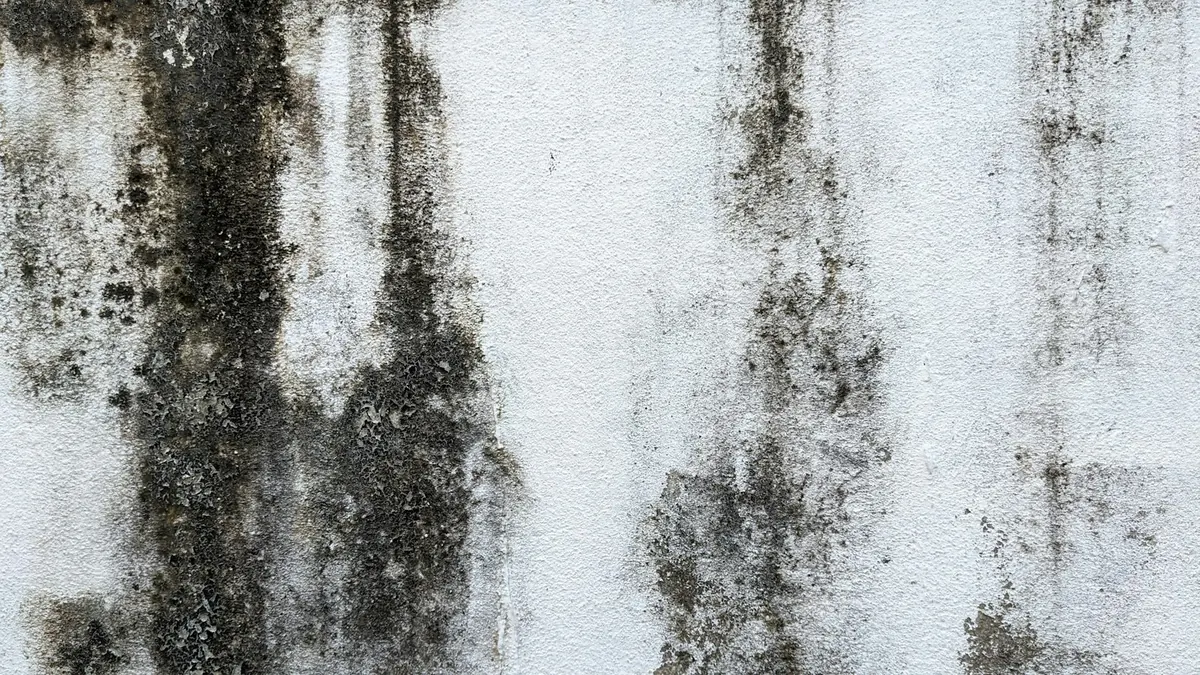
Mold Inspection and Removal Services Across Glenville
Visual checks, moisture investigation and cleaning address your walls, flooring, ceilings and reachable framing. The assessment considers growth together with damp materials, then removal can proceed.
To map dampness, your inspection uses a moisture meter; to highlight temperature differences, it uses thermal imaging. That camera cannot identify mold. The report records access limitations and separates suspected hidden damage from observed growth.
Air or surface samples are taken when lab findings can answer a specific question about your cleanup. Containment and removal, along with drying and cleaning, are defined in the written work scope. Moisture corrections and separate repairs appear in the remediation plan.
- Visual inspection and moisture readings
- Cleanup scope based on observed damage
- Contained removal of unsalvageable materials
- Cleaning retained surfaces using a HEPA vacuum
- Drying and post-remediation verification
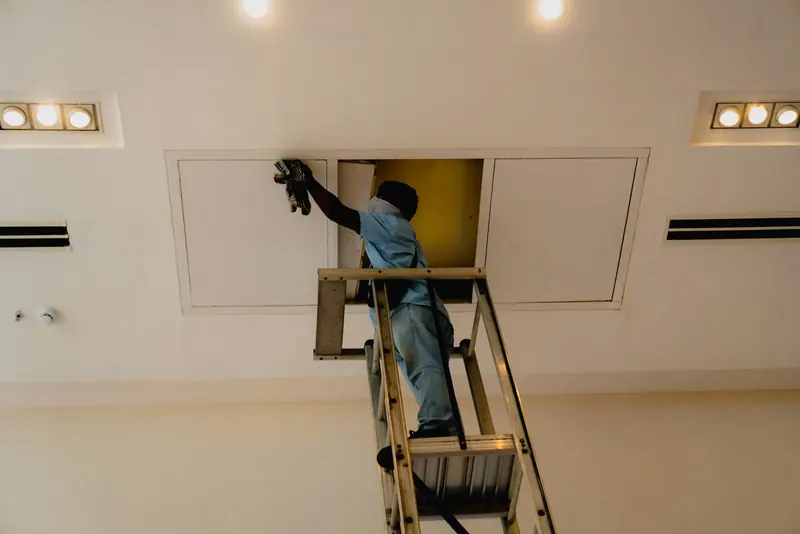
Glenville Warning Signs for Mold Assessment and Removal
Have visible damage and surrounding concealed areas assessed when your finishes stay damp, growth recurs or odors lack an explanation.
Musty Odor Without Visible Growth
Hidden dampness may accompany smells around flooring or cabinets; odor alone does not confirm mold.
Visible Mold Growth on Several Surfaces
Patches affecting ceilings, baseboards or walls may occur alongside moisture outside the visible area.
Mold Returning After Cleaning
When growth recurs, affected backing or the source of water may still need attention.
Damp Materials After a Leak
After a leak ends, damp framing, wet carpet pad or stained ceilings may still need assessment.
Soft Drywall or Swollen Trim
You may notice bubbling paint, swelling baseboards or crumbling wallboard where moisture has caused damage.
Greater Cleveland Mold Removal Process: What Happens
Your inspection sets cleanup boundaries, moisture corrections and completion criteria before removal.
Visual Inspection and Mold Assessment
Growth and water damage are checked wherever finishes and cavities are accessible. Your inspection report records moisture readings alongside limits on access.
Moisture Source and Cleanup Scope
Investigating condensation alongside leaks helps find the moisture source. Your remediation protocol defines removal, drying, repairs and any testing.
Containment Before Opening Materials
Containment uses poly sheeting as a containment barrier. Particle spread during work is limited by negative air pressure, protective equipment and a HEPA air scrubber.
Damaged Material Removal
Bagging takes place within containment for moldy drywall and carpet pad, plus porous materials beyond salvage. Removal follows a protected route for debris.
Cleaning of Retained Surfaces
HEPA vacuum cleaning accompanies suitable surface cleaning on retained surfaces. Cleaning remains necessary with antimicrobial treatment.
Controlled Drying and Final Cleaning
A dehumidifier and controlled air movers dry retained materials after cleaning. Final cleaning clears settled dust; moisture readings measure drying progress.
Verification of Completed Work
Cleaning, moisture corrections and drying undergo post-remediation verification. An independent assessor performs clearance testing when specified, reducing conflict of interest.
Containment Removal and Repair Readiness
Containment comes down after completion criteria are met. Finishes are replaced once drying and verification are complete.
Why Choose Cleveland Mold Cleanup for Mold Inspection and Removal
Moisture Before Removal
Before cleanup, your assessment follows dampness so both growth and the water issue determine the scope.
Calls Answered 24/7
Across the metro, you can start assessment and cleanup through one number, even at night or on weekends.
Contained Work With HEPA Filtration
Containment and filtration match your affected area, with a protected debris route.
Inspection Through Final Checks
Damaged materials are removed, retained surfaces cleaned and dried, and final checks completed before containment removal.
Clear Mold Cleanup Boundaries
Before work starts, your scope sets out damage, separate repairs and limits on removal.
What to Do Ahead of Mold Inspection in Cuyahoga County
Leave suspect materials undisturbed while your assessment is arranged.
- Limit incoming water. Stop a leaking fixture only when safe to do so.
- Leave surfaces intact. Do not sand, scrape or pull off moldy finishes.
- Keep suspect HVAC off. Do not run equipment that may contain mold until it is assessed.
- Keep the area clear. Keep affected materials separated from people and pets.
- Avoid wet electrical equipment. Avoid water around wiring, appliances or electrical outlets.
Your Mold Inspection and Removal Cost in Glenville
These Fixr national ranges describe different job combinations, not additive charges or local quotes. Their different scopes do not mean adding testing lowers your bill.
Inspection plus remediation, average home
$1,950 to $5,800 per jobSource: Fixr, Mold Remediation Cost (checked 2026-10-23)Inspection plus testing plus removal
$1,950 to $3,800 per jobSource: Fixr, Mold Inspection Cost (checked 2026-10-23)Inspection billed separately
$450 to $800 per inspectionSource: Fixr, Mold Remediation Cost (checked 2026-10-23)What Changes Mold Testing and Removal Cost
- Access and containment needs
- Drying and clearance testing
- Material removal and disposal
- Samples and lab fees
- Size of the affected area
- Replacement finishes and moisture repairs priced separately
Your Price for Cleanup and Assessment
These published national ranges are planning figures. Your on-site assessment defines the work and price before cleanup starts, including any separate source repairs or rebuilding.
Call (844) 352-3560 about costMold Inspection and Removal Service Area Across Greater Cleveland
Call (844) 352-3560 to arrange cleanup in Glenville or nearby communities. One number covers the metro.
Mold Inspection and Removal in Locations Near Glenville
ZIP codes
What People Ask About Mold Inspection and Removal in Glenville
After cleanup, is mold able to return?
Leaving the water problem unresolved can mean mold returns. Before removal starts, your assessment investigates condensation and leaks. Moisture corrections address growth-supporting conditions, while affected surfaces are cleaned and dried. Those conditions are less likely to recur with completed repairs and humidity control.
Should mold testing take place before removal or after?
Under guidance from EPA, visible mold can often go without sampling. Inspection establishes the affected area alongside checks for moisture. Testing is used when it answers a specific question; there is no federal limit for mold levels indoors. When clearance testing is specified, a separate inspector assesses completed work independently of the removal company.
What has to come out during removal?
You may need to remove drywall, ceiling tiles and carpet affected by mold. Accessible non-porous surfaces, along with sound framing, often allow cleaning and drying. These limits are defined through inspection before your demolition starts. If opening a cavity reveals more damage, the scope is updated before additional removal.
Will the moisture problem be corrected within the job?
Assessment investigates the moisture source, with corrections set out before cleanup ends. Plumbing, roof or ventilation repairs are included only when listed in your scope. Separate repair needs are identified to avoid leaving cleaned surfaces exposed to an ongoing leak.
What is the timeframe for inspection and cleanup in Glenville?
Your schedule follows assessment of damage and access. Cleaning surfaces is different from removing carpet, opening walls and drying framing. Moisture readings determine drying progress. Necessary sampling, leak repairs and final checks affect when containment comes down and replacement finishes go in.
During cleanup, can you remain in the property?
You may be able to stay when occupied rooms remain separate from the work zone. Household needs, access to essential rooms and ventilation shared with work areas influence that decision. Your restrictions are established during assessment ahead of work. Temporary relocation is necessary during cleanup on some projects.
What does mold testing and removal cost in Cuyahoga County?
Any necessary sampling, affected materials, inspection findings and access influence what you pay. You can see units and source labels on each national cost card above. The scope for your work defines removal cost, inspection cost and separate repairs. A specific question about the work must be answered for testing to be included.
Ohio Insurance for Mold Cleanup
Homeowners insurance coverage depends on the cause of moisture, policy exclusions, mold limits and deductible. Inspection, removal and replacement finishes may receive different coverage decisions.
Safety for Your Mold Assessment and Cleanup in Greater Cleveland
Containing the work limits how dust and mold spores spread to your occupied rooms.
Mold spores during removal
If you disturb growth, particles may spread beyond the area of work.
Contaminated water
Mold from sewage or contaminated water calls for professional assessment and cleanup.
Mold and sensitive occupants
CDC says mold can trigger allergy and asthma symptoms in some people.
Mold color is not a risk test
CDC says color does not tell you how risky mold is.
Cleanup scope: EPA notes that homeowners can often clean affected areas measuring less than about 10 square feet. Get professional help when larger areas or HVAC systems are involved.
Mold-Affected Materials Cleaned or Removed in Cuyahoga County
Access and the state of your materials guide decisions about cleaning versus removal.
Non-Porous Surfaces
- You can often clean sound metal, tile and glass, with backing assessed on its own.
Porous Materials
- You may need to discard drywall, ceiling tiles and carpet affected by mold. Cleaning and drying are often possible for sound wood framing.
Belongings
- Cleaning or disposal of fabrics, stored items and paper depends on separate assessments.
Your Timeline for Mold Inspection and Cleanup in Cuyahoga County
Drying and agreed completion checks shape your schedule, along with access and the amount removed.
- Assessment: Concealed areas and any necessary lab results affect when the scope is ready.
- Removal and drying: Newly discovered damage can increase the work needed, with moisture readings guiding how long drying takes.
- Completion: Containment removal and rebuilding wait until unresolved moisture or incomplete cleaning has been addressed.
After Mold Cleanup: Moisture Control
Odors that remain in your space are checked for lingering dampness or damage beyond reach. Masking a smell with fragrance leaves its source unresolved; odor alone cannot verify completed work.
EPA recommends indoor relative humidity below 60 percent, ideally 30 to 50 percent. Mold can return if the water problem remains; a dehumidifier does not replace leak repair.
Mold Assessment Requirements in Ohio
State Mold Requirements
Ohio does not appear to have a statewide license for mold inspectors or remediators, and the Ohio Construction Industry Licensing Board covers only electrical, HVAC, plumbing, hydronics and refrigeration contractors. Homeowners can ask any contractor about their training and experience and check local contractor rules.
EPA Guidelines for Drying
Prevent mold growth by drying water-damaged items and areas within 24 to 48 hours.
Repair Permits
Required permits vary with the plumbing, structural or electrical repairs involved.
State Mold Information
The Ohio Department of Health has an Emergency Flood Cleanup and Mold page that lists signs of mold and advises fixing the water source. Its Health Assessment Section says it does not offer resources specific to mold cleanup.
State guidance: Ohio Department of Health, Emergency Flood Cleanup and Mold; Ohio Department of Health, Health Assessment Section questions; Ohio Department of Commerce, Residential Property Disclosure Form (eff. 6/2022); Ohio Revised Code 5302.30 (Internet Archive copy of codes.ohio.gov); Ohio Revised Code 5321.04 (Internet Archive copy of codes.ohio.gov); Ohio Department of Commerce, Ohio Construction Industry Licensing Board
Related Services and Next Steps
Start Your Mold Inspection and Removal in Glenville
Call 24/7 to arrange your assessment. Your cleanup starts with the affected surfaces, moisture source and access to your home.