Basement Mold Removal in Lee-Harvard, OH
Mold removed from walls, joists and flooring in your Lee-Harvard basement, with damaged materials cleared under containment. Call 24/7 to start your assessment and cleanup.
- Moisture source checked first
- Containment and HEPA filtration
- Clear removal and drying scope
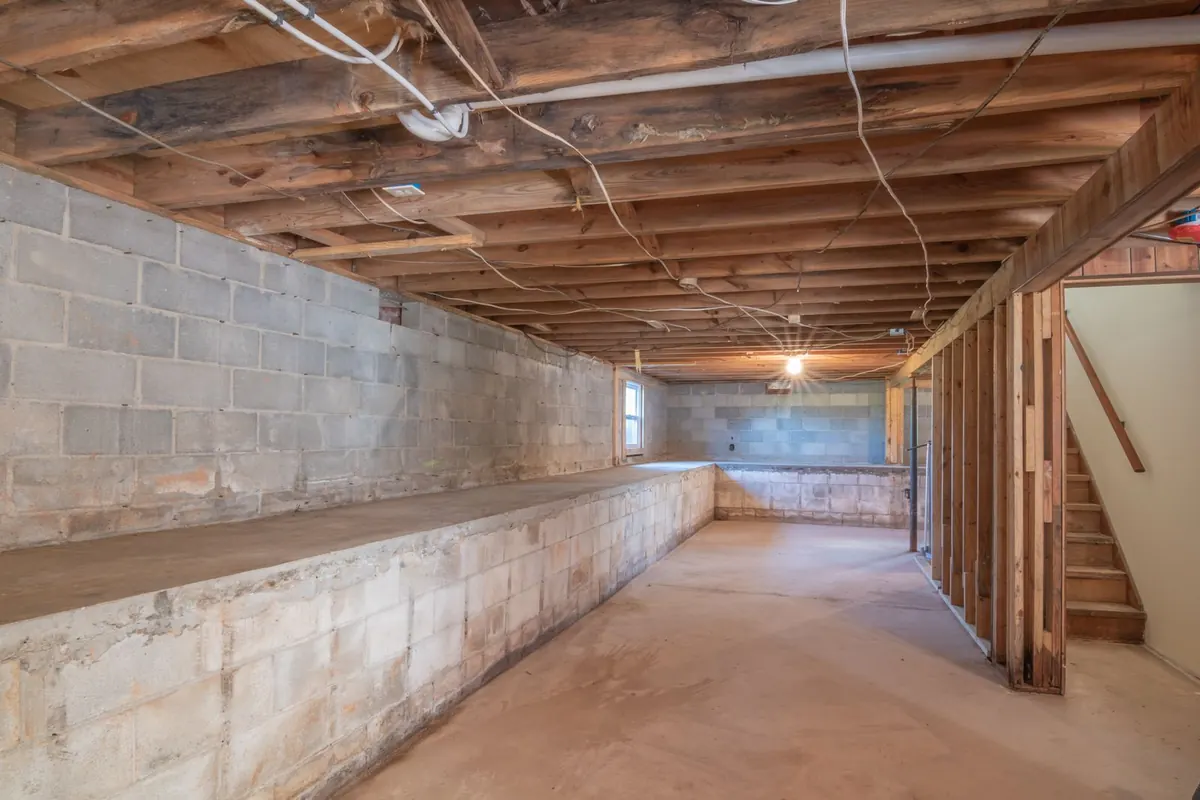
Basement Mold Removal Services for Your Lee-Harvard Property
Basement mold removal covers joists and foundation walls as well as your flooring and finished wall cavities. Sound framing is cleaned and dried, as is sound masonry; damaged materials come out.
A finished basement may need drywall removal to reach hidden moisture. Unfinished rooms expose wood, concrete and cinder block from the foundation wall to the basement ceiling.
Assessment follows leaks, condensation and seepage in your basement. Where relevant, this includes the floor drain, sump pump and sump pit. Cleanup and separate repair work are defined in a written scope.
- Foundation wall and joist cleaning
- Finished wall cavity assessment
- Removal of basement carpet and padding with mold
- Stored belongings assessed for cleaning
- Contained removal, drying and verification

When You Need Basement Mold Removal
Arrange an assessment for persistent smells, recurring growth or damp finishes.
Musty Smell After Basement Flooding
Odor around stored belongings can accompany damp materials after water recedes.
Patches on Basement Ceiling Joists
Patches along joists can accompany leaks or condensation.
Growth Returns on Basement Walls
After cleaning, visible mold growth reappears at wall bottoms.
Softening Drywall in Your Finished Basement
Watch for peeling paint, trim swelling or wallboard softness as possible signs of concealed damage.
Damp Basement Carpet Edges
Moisture in wet carpet and padding may extend past the stains you see.
What Basement Mold Removal Involves
Assessment starts your job. Cleanup under containment comes next, followed by drying and verification.
Call and Basement Assessment
Damp basement materials are mapped using a moisture meter. Temperature differences appear on a thermal imaging camera, which cannot identify mold.
Moisture Source and Scope
Seepage paths and plumbing are assessed. Your scope defines removal, drying and necessary leak repair, drainage or basement humidity corrections.
Basement Containment
Your work zone is enclosed by a containment barrier of poly sheeting. Particle spread is limited using a HEPA air scrubber, protective equipment and negative air pressure.
Damaged Material Removal
Unsalvageable contents, moldy carpet pad and drywall go into bags within containment. During removal, protection stays on the debris route.
Framing and Masonry Cleaning
Surface cleaning and a HEPA vacuum clear growth from basement walls and sound joists. Antimicrobial treatment cannot take the place of cleaning.
Controlled Basement Drying
A dehumidifier and air movers support drying after cleaning. As the water source is fixed, moisture readings measure drying progress.
Post-Remediation Verification
Before replacement of materials, both drying and cleaning undergo checks. An independent assessor conducts any specified clearance testing before the containment is dismantled.
Containment Removal and Repair Handoff
Containment is dismantled once final checks finish. Agreed finish repairs guide preparation of your basement, with any separate rebuilding work identified.
Your Basement Mold Removal Choice: Why Cleveland Mold Cleanup
Clear Scope Before Work
Separate moisture repairs and rebuilding are identified in your scope along with the affected rooms and materials.
Basement Moisture First
Seepage, leaks and condensation are assessed before cleanup begins.
Contained Basement Work
Particle spread toward occupied rooms and stairs is reduced through HEPA filtration and containment.
Removal Through Final Checks
Damaged finishes are removed, sound surfaces are cleaned and dried, and final checks precede containment removal.
Calls Answered 24/7
You can begin your basement cleanup by calling one number, day or night, throughout the metro.
What to Do Before Basement Cleanup in Cuyahoga County
Call for your assessment. Avoid disturbing any affected materials.
- Avoid standing water. Do not approach flooded basement stairs or any wet electrical equipment.
- Leave finishes in place. Avoid sanding, dry brushing or starting tear out on moldy walls.
- Keep people and pets away. Restrict entry into basement rooms affected by mold.
- Avoid spreading particles. Avoid running HVAC equipment suspected of contamination or directing fans toward mold growth.
- Leave affected belongings downstairs. Do not move moldy furnishings or boxes into occupied rooms before assessment.
Basement Mold Removal Cost for Lee-Harvard, OH Properties
Affected square footage, damaged materials and access determine your cleanup price. The national ranges list sealing or waterproofing separately because either is extra work if required.
Basement mold removal
$1,500 to $4,000 per jobSource: Fixr, Mold Remediation Cost (checked 2026-10-23)Basement mold removal
$500 to $3,000 per jobSource: This Old House, Mold Remediation Cost (cost data credited to Angi) (checked 2026-10-23)Sealing your basement or waterproofing when necessary
$3,000 to $7,000 per jobSource: Fixr, Water Damage Restoration Cost (checked 2026-10-23)What Shapes Your Basement Cleanup Cost in Lee-Harvard
- Access to hidden areas
- Containment and drying
- Drainage, waterproofing and leak repair
- Affected square footage
- Finish materials that require removal
- Flooding or contaminated water
Your Basement Cleanup Price
These published national ranges are planning figures. Your on-site assessment defines the work and price before cleanup starts, including any separate source repairs or rebuilding.
Call (844) 352-3560 about costBasement Mold Removal Service Area Across Greater Cleveland
Call (844) 352-3560 to arrange cleanup in Lee-Harvard or nearby communities. One number covers the metro.
Basement Mold Removal in Locations Near Lee-Harvard
ZIP codes
Frequently Asked Questions About Basement Mold Removal in Lee-Harvard
Is fixing the water problem in your basement included too?
The assessment finds your moisture source, with required corrections outlined together with cleanup. Your scope must list plumbing repairs, waterproofing, drainage and sump pump work for those tasks to be included. Separate repairs are identified ahead of work so unresolved water entry does not continue reaching cleaned surfaces or new finishes.
During work in the basement, can you stay upstairs?
You might remain at home if exits and occupied rooms stay apart from the work zone. The route for debris, access to stairs and shared ventilation influence that choice. Your household needs undergo assessment alongside the property layout ahead of containment. Some jobs require you to stay elsewhere while removal and cleaning take place.
Do basement drywall and carpet have to come out?
Growth may reach into porous materials, so moldy carpet, pad and drywall may need to come out. Accessible masonry, along with joists in sound condition, can often undergo cleaning and drying. Your assessment sets removal boundaries from actual damage, including damaged material behind finished walls or behind baseboards, ahead of installing replacement finishes.
How much time does basement cleanup need in Lee-Harvard?
Assessment of affected materials, rooms and access routes determines your cleanup schedule. A finished room containing wet drywall and carpet differs from an unfinished basement. Drying follows moisture readings rather than surface appearance. You can install replacement finishes at a time also shaped by final verification and water-source repairs.
What is your basement cleanup cost in Cuyahoga County?
Affected square footage and drying requirements shape your price, together with access and finished materials. The published cards above list national price ranges and identify the units and sources. Waterproofing stays apart from mold cleanup except when your scope includes the work. The price and assessed work are explained to you ahead of removal in your basement.
After your basement cleanup, will mold reappear?
Mold can return if seepage, a plumbing leak or high humidity remains. Those conditions are traced in your assessment prior to cleanup. Removal or cleaning and drying address affected materials, with the scope setting out water-source corrections. Continued humidity control and completed moisture repairs help stop the same dampness from recurring.
Is testing required prior to basement cleanup or afterward?
Air sampling is often unnecessary for visible mold, according to EPA guidance. Inspection identifies affected materials and the water issue alongside moisture checks. Before dismantling containment after removal, checks verify drying and cleaning. When specified, clearance testing is done by an independent assessor. There is no federal limit for mold levels indoors.
Insurance and Your Basement Mold Cleanup in Ohio
The water source and your policy's mold limits, exclusions and deductible determine homeowners insurance coverage. Waterproofing, finish replacement and cleanup can each receive a different coverage decision.
Your Greater Cleveland Basement Cleanup Safety
Access and the condition of water guide your basement cleanup plan.
Sensitive Occupants
For some people, mold can trigger asthma and allergy symptoms, CDC notes.
Contaminated Basement Water
Get professional cleanup for sewage or contaminated water.
Mold Color
CDC explains that color cannot show you how risky mold is.
Hidden Basement Damage
Have deteriorated joists assessed structurally before any work disturbs the wood.
Cleanup scope: According to EPA, homeowners can often clean areas measuring under about 10 square feet. You need professional help with larger areas or HVAC systems, and with mold from sewage or contaminated water.
Your Cuyahoga County Basement Materials: Cleaning and Removal
Your sound materials can be cleaned when possible; porous items with damage may need to come out.
Framing and masonry
- Sound wood, concrete and cinder block are cleaned and dried; deteriorated supports need repair assessment.
Finished basement materials
- Damp cavities may require access through removal of moldy drywall, carpet, insulation and pad.
Stored belongings
- Non-porous surfaces such as metal and washable plastic are cleaned; unsalvageable porous contents are removed.
Basement Cleanup Timing in Cuyahoga County
Removal, access, drying and repairs following remediation shape your schedule.
- Unfinished basement: Your stored items can obstruct access to exposed framing.
- Finished lower level: Extra work comes with wall and flooring removal.
- Persistent water entry: Repairs to the source and moisture readings shape rebuilding.
Understanding Basement Humidity and Odor in Lee-Harvard
To investigate a musty basement smell, your materials are checked along with moisture. Fragrance cannot fix the leak or remove mold growth.
For indoor relative humidity, EPA recommends below 60 percent; the ideal range is 30 to 50 percent. Your dehumidifier manages moisture in the air but will not stop seepage.
Basement Cleanup Requirements in Ohio
Basement Work Requirements
Ohio does not appear to have a statewide license for mold inspectors or remediators, and the Ohio Construction Industry Licensing Board covers only electrical, HVAC, plumbing, hydronics and refrigeration contractors. Homeowners can ask any contractor about their training and experience and check local contractor rules.
EPA Guidelines for Drying
Dry water-damaged areas and items within 24 to 48 hours to prevent mold growth.
Repair Permits
Permit requirements depend on the drainage, plumbing or building work included.
State Mold Information
The Ohio Department of Health has an Emergency Flood Cleanup and Mold page that lists signs of mold and advises fixing the water source. Its Health Assessment Section says it does not offer resources specific to mold cleanup.
State guidance: Ohio Department of Health, Emergency Flood Cleanup and Mold; Ohio Department of Health, Health Assessment Section questions; Ohio Department of Commerce, Residential Property Disclosure Form (eff. 6/2022); Ohio Revised Code 5302.30 (Internet Archive copy of codes.ohio.gov); Ohio Revised Code 5321.04 (Internet Archive copy of codes.ohio.gov); Ohio Department of Commerce, Ohio Construction Industry Licensing Board
Related Services and Next Steps
Start Your Basement Mold Removal in Lee-Harvard
Call 24/7 to arrange your assessment. Your cleanup starts with the affected surfaces, moisture source and access to your home.